


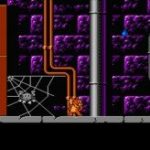





Super 1000000 in 1
Stepping into the absolute peak of nostalgic 8-bit history takes zero processing bloat in 2026. You can experience the digital illusion of Super 1000000 in 1 by running optimized HTML5 canvas emulation player containers for an immediate session, deploying native uncompressed ROM suites inside desktop simulator setups, or managing directional inputs across mobile interfaces.
Originally manufactured as an unlicensed NES multicart for global Famiclone hardware — the Dendy (Eastern Europe), Pegasus (Poland), and Terminator (South America) — this legendary cartridge uses a bank-switching menu trick to inflate a real library of 5–50 unique games into a million-entry navigation list. Variable byte injection modifies difficulty, starting level, live count, and color palette per menu entry.
🖥️ Where to Play Super 1000000 in 1 Today
Uncompressed web networks offer clean access without Famiclone hardware or volatile legacy converters:
🌐 HTML5 WebAssembly Emulation Containers
The complete original 8-bit multicart compilation runs flawlessly within modern web-browser WebAssembly translation layers — boot Super 1000000 in 1 instantly inside a standard web window with zero local storage footprint or file corruption risks.
💻 FCEUX / Nestopia Desktop Emulators
For hardware purists who want to audit original chip timings and hear uncompressed 8-bit synthesized audio loops, running the ROM through FCEUX or Nestopia allows custom video scanline overlays, direct gamepad mapping, and precise CPU/PPU cycle accuracy.
🎮 Plug-and-Play USB Gamepad Input Bridges
Modern web player containers include integrated API layers that automatically detect external USB gamepads — map original cross-style digital directional pads over keyboard setups for enhanced movement accuracy and rapid menu scrolling.
Browser (WebAssembly)
FCEUX (Desktop)
Nestopia (Desktop)
USB Gamepad
NES / Famiclone Hardware
Global Famiclone Hardware Family
🕹️ Regional NES Clone Platforms That Used Multicarts
🇷🇺 Dendy
Eastern Europe / Russia
🌎 Terminator
South America
The multicart served as an affordable cultural bridge for millions of families across these regions — a single sub-$20 cartridge provided access to dozens of classic arcade titles at a time when individual NES games were too expensive for most households.
Classic Library & Key Numbers
🎮 Core Game Library & Bootleg Variants
🍄
Super Mario Bros.
Variant: Level Select Inject
Entries labeled “1-2” or “2-1” hardcode initialization to underwater/underground maps with power-up active — skips early worlds entirely.
🦆
Duck Hunt
Variant: Modified Target Velocity
Original Zapper incompatible with modern flat-panel monitors — use cursor-translation scripts mapping hit-scan coordinates to standard mouse clicks.
🚂
Battle City
Variant: Infinite Armor + Steel Base
Menu index 500+ injects invincibility frames onto your tank and converts base brick tiles into unbreakable steel coordinates.
🔫
Contra
Variant: Infinite Stock Life Pool
High-tier menu listings activate unlimited lives — shifts tactical approach from cautious defensive spacing into hyper-aggressive run-and-gun sprint.
📊 Super 1000000 in 1 — Key Numbers
| Parameter |
Value |
| 🎮 Actual Unique Game Count |
5–50 titles |
| 📋 Menu Entries (Illusion) |
1,000,000 |
| ⚡ Battle City Variant Threshold |
Index 500+ |
| 🕹️ Input Command Window |
3 frames |
| 🖥️ Display Aspect Ratio |
4:3 integer |
| 📅 Era of Origin |
Early 1990s |
Three Technical Pillars of the Multicart Trick
⚙️ How Bank-Switching Created the Million-Game Illusion
🔄 Bank-Switching Menu Loop Script
A standard 8-bit cartridge board held 5–50 unique titles. Manufacturers programmed a custom menu loop that repeats the same handful of core games thousands of times down the navigation screen — creating the visual illusion of a million entries without additional physical ROM space.
💉 Variable Byte Modification Injection
Specific offset variations per menu entry prevent the list from feeling identical. “Game 1” launches at default settings; “Game 500” or “Game 10000” triggers a modified hex address — starting at Level 3, equipping 50 lives, or radically swapping background tile color palettes.
📦 Unlicensed Low-Memory Library Compilation
Physical ROM space prioritized highly optimized early 1980s arcade ports that fit on cheap logic chips — Battle City, Galaxian, Soccer, Track & Field, Contra, Duck Hunt, and Super Mario Bros. variants formed the core library available across the menu loop.
Then vs. Now
📼 Early 1990s — Physical Bootleg Multicart
Unlicensed physical plastic cartridges packed with repeated 8-bit ROMs, minor palette swaps, and deceptive million-entry menu numbers designed to maximize budget value on Famiclone consoles. Duck Hunt required a Zapper light gun tracking CRT electron-gun sweep timing — completely incompatible with modern flat-panel monitors.
🎯 Today — Cloud Preservation & Browser Emulation
Curated cloud preservation vaults, frame-accurate digital simulation hubs, high-definition canvas rendering, and flawless execution inside a web browser. Duck Hunt’s Zapper incompatibility is solved by cursor-translation scripts mapping original hit-scan coordinates to standard mouse clicks in modern emulators.
Expert Tactics — Variant Scanning & Battle City Armor Exploit
🍄 Mario Level Select & Variant Scanning
-
🔍 Look for Appended Numeric Labels in the Menu
Titles labeled “Super Mario 1-2” or “Super Mario 2-1” are not different physical games — they are hardcoded memory injects that intercept the initialization cycle, loading your character directly into underwater or underground maps with a power-up already equipped.
-
⚡ Scroll Past Index 500 for Powered Variants
Menu entries past the 500 mark consistently contain the highest-tier byte injections — infinite lives, level skips, and the Battle City steel-base configuration. Rapid digital D-pad scrolling through the list is the fastest way to reach these high-value entries.
-
🎨 Palette Swaps Are Visual Only — Gameplay Identical
Many menu variants that appear different are simply color palette remaps. If you find a visually unfamiliar-looking entry, test it before skipping — it may share identical mechanics with the standard version but with an advanced starting position.
🚂 Battle City Index 500+ Armor Exploit
-
🛡️ Navigate Past Index 500 for Steel Base Config
In standard Battle City, a single stray projectile smashes through brick fortresses and destroys the eagle base — instant game over. Menu listings past index 500 inject invincibility frames onto your tank model and permanently convert base brick coordinates into unbreakable steel tiles.
-
⚔️ Contra Infinite Lives = Aggressive Playstyle
High-tier Contra listings activate an unlimited life pool script — completely shifting tactical approach from cautious defensive spacing into hyper-aggressive run-and-gun. Treat high-index Contra entries as a stress-free learning environment for pattern memorization.
-
🖱️ Duck Hunt — Mouse Click Cursor Translation
The original Zapper tracked CRT electron-gun sweep timing. Modern flat-panel monitors lack this pattern entirely — browser emulators substitute cursor-translation scripts that map hit-scan coordinates to standard mouse click positions. Aim at duck sprites as you would any click-based target.
Technical Setup
⚙️ Emulator Configuration for Super 1000000 in 1
🖥️ Strict 4:3 Aspect Ratio Lock
The original NES PPU hardware generated visual layouts for square analog CRT televisions. Forcing a 16:9 widescreen stretch warps character hitboxes and disrupts distance perception — toggle a locked 4:3 integer aspect box inside your emulation video settings.
💾 SRAM Cache — No Browser Cleaning Post-Session
Browser-bound multi-game simulation layers use temporary local cookies to store custom high scores, unlocked menu positions, and stage milestones. Avoid automated browser cleaning scripts right after a session to protect your records inside Super 1000000 in 1.
🎮 Digital D-Pad Cross-Style Mapping
Map direction commands to a cross-style digital directional pad rather than an analog stick. Clean click-for-click column shifts are essential for rapid menu scrolling through the million-entry list to reach high-index variant entries past position 500.
🔄 The Million-Game Illusion Explained: There are only 5–50 actual unique games on the cartridge. The rest of the million menu entries are repetitions of the same titles with variable byte offsets — modifying start level, live count, and color palette. Understanding this means you should scroll purposefully to indexed variant entries rather than browsing randomly. Entries around index 500+ consistently contain the most beneficial hex injections for any given title.
⚠️ Input Latency Warning: Avoiding enemy tank fire and executing tight platform leaps requires button commands within tight 3-frame windows. Any hardware stutter or page rendering delay causes accidental input drops. Enable Hardware Acceleration at its highest active profile in your browser’s advanced settings hub and close memory-heavy background applications to keep rendering speeds smooth and fluid throughout Super 1000000 in 1 sessions.
Summary of Tactics
1
Look for appended numeric labels like “Mario 1-2” or “Mario 2-1” — these are hex-injected memory starts that load advanced levels with power-up already equipped, skipping early worlds entirely.
2
Scroll past menu index 500 for the highest-tier variants — invincibility frames, steel base tiles (Battle City), infinite lives (Contra), and maximum live counts are consistently injected there.
3
Test unfamiliar palette-swapped entries before skipping — many color variants share identical gameplay but start at advanced positions, making them faster routes to late-game content.
4
Duck Hunt: aim at duck sprites with standard mouse clicks — the cursor-translation script handles the original Zapper hit-scan coordinate mapping on modern flat-panel monitors.
5
Use Contra’s infinite life entries as a pattern memorization sandbox — the unlimited stock shifts the game from survival to a stress-free practice environment for learning enemy layouts.
6
Map to a digital cross-pad for rapid menu scrolling — analog stick drift causes input slip when scrolling through thousands of menu entries to reach specific indexed variants.
The brilliant, highly entertaining history behind this classic bootleg milestone continues to hold a legendary position among retro web historians, game collectors, and independent emulation purists worldwide. By packing distinctive level-jump hacks, infinite resource pool modifications, and an incredibly nostalgic 8-bit library into a highly optimized format, Super 1000000 in 1 showcases how clever technical shortcuts broke corporate distribution boundaries to provide affordable entertainment for millions across the Famiclone era. Calibrate your display, organize your controller, and conquer the ultimate retro gaming vault.