


Introduction: The Return of the Rogues
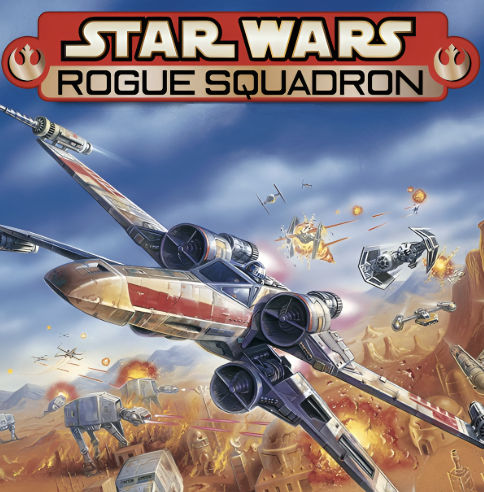
In an era dominated by hyper-realistic photogrammetry and live-service models, the current period has witnessed a massive resurgence in retro simulation. Classic titles are no longer just memories; they are highly sought-after digital artifacts. At the absolute apex of this nostalgic wave sits a legendary 1998 Factor 5 release, a franchise that fundamentally redefined arcade flight action. Originally developed by Factor 5 and LucasArts, this masterpiece bridges the gap between classic cinematic storytelling and pure, unadulterated entertainment. Whether you are looking to relive the golden age of the Nintendo 64 or looking for a modern way to experience these legendary starfighter battles on your PC or browser, understanding the depth of this franchise is essential.
The core essence of this legendary release is simple: it delivers accessible, fast-paced starfighter combat that faithfully recreates the atmospheric tension of the original movie trilogy. This article provides a comprehensive snapshot of its history, its structural mechanics, and practical ways you can experience it today. For those who want to explore deeper, we have mapped out its transitions from the original to its next-generation console sequels, the underlying lore that connects it to Rogue One, and its expanding presence in books and cinema.
What makes this flight action masterpiece timeless?
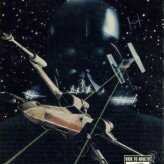
The late-nineties release for the Nintendo 64 and Windows marked a critical turning point for LucasArts. Instead of focusing on the complex, keyboard-heavy mechanics of PC space simulations, the developers engineered an accessible, action-oriented flight model. Users were instantly thrust into the cockpit of the galaxy’s most iconic starfighters, managing simple speed throttles and primary weapon systems while dodging laser fire from imperial interceptors.
The narrative tracks the military exploits of Luke Skywalker and Wedge Antilles between the events of A New Hope and The Empire Strikes Back. Rather than relying on generic randomized missions, the developers built 16 distinct narrative-driven levels spanning various planetary systems. Each environment presented unique planetary gravity, atmospheric visibility, and tactical challenges—from the volcanic landscapes of Sullust to the snowy trenches of Hoth.
How did the franchise evolve across Nintendo consoles?
To understand the full scope of the series, we must look at how hardware boundaries were pushed across two generations of Nintendo systems:
The Foundational Title (1998): Utilizing the Nintendo 64 Expansion Pak to achieve a crisp 640×480 resolution. It introduced sophisticated terrain-following algorithms and dynamic audio systems that adapted to the intensity of combat.
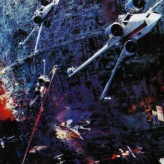
The Acclaimed Sequel (2001): A monumental launch title for Nintendo’s subsequent purple cube console. It dramatically expanded the visual scale, rendering hundreds of detailed independent objects on screen simultaneously. It allowed users to participate directly in massive movie-accurate operations, including the iconic Death Star trench run.
The Final Installment (2003): Pushed the technical limits of the hardware even further. While it introduced highly innovative split-screen co-op modes (allowing two users to complete the entire campaign of the predecessor together), it also included controversial on-foot ground combat segments that received mixed reactions from fans.
What was vs. What is: The Evolution of Access
What it was: In the late nineties, experiencing this title meant owning a physical CRT television, a Nintendo 64 console, and a proprietary Expansion Pak cartridge to prevent muddy textures. PC users struggled with complex 3D graphics acceleration cards and Glide API drivers.
What it is: Today, enthusiasts can access the classic Windows version digitally through platforms like GOG or Steam, pre-patched for modern operating systems and high-definition monitors. Furthermore, advanced hardware emulation and modern web technologies allow fans to experience accurate recreations of classic retro titles directly inside a standard web browser on various retro platforms.
Who are the elite pilots behind the in-universe Rogue Group?
In galactic lore, the squad represents the absolute pinnacle of Rebel Alliance piloting capability. Co-founded by Luke Skywalker and Wedge Antilles immediately after the catastrophic losses at the Battle of Yavin, this elite twelve-pilot unit was intentionally named in honor of Rogue One—the brave team of operatives who sacrificed their lives on Scarif to steal the original Death Star design blueprints.
The squad’s tactical versatility was largely defined by their mastery over a diverse fleet of specialized starfighters. Depending on the mission requirements, pilots shifted between different crafts:
T-65B X-wing: The balanced workhorse of the fleet, featuring dual proton torpedo launchers and adjustable S-foils for optimal combat maneuvering.
A-wing: An ultra-fast interceptor designed for lightning-fast strike runs, requiring expert reflexes to navigate tight atmospheric canyons.
Y-wing: A heavy, heavily armored bomber utilized for disabling massive Imperial installations and star destroyers with ion cannons.
T-47 Snowspeeder: A modified atmospheric transport equipped with magnetic tow cables, famously deployed during the Battle of Hoth to bring down colossal Imperial AT-AT walkers.
Where can you explore the expanded media of this starfighter universe?
The widespread commercial and critical success of the software created an immediate demand for expanded media across other formats. If you want to dive deeper into this expanded universe, several major pathways exist:
The Literary Expanded Universe
In the mid-1990s, author Michael A. Stackpole launched a highly popular Legends book series detailing the gritty, military-focused operations of the squad. The first novel, titled simply Rogue Squadron, shifts the focus away from the mystical Force-users to highlight the tactical ingenuity, political struggles, and psychological toll experienced by ordinary starfighter pilots. These books remain widely available today through major retailers like Target and Bookshop.org.
The Cinematic Future
The enduring legacy of the name eventually caught the attention of modern filmmakers. A live-action feature film has spent several years in active development cycles at Lucasfilm, with director Patty Jenkins attached to helm the project. While production schedules have experienced adjustments, the project aims to bring the high-stakes, tactical aerial combat of the classic series onto the silver screen for a completely new generation of cinema audiences.
Conclusion: Activating Your S-Foils
From its historical roots as a technical showpiece to its current status as an accessible digital retro classic, this iconic title remains a masterclass in software design. It balanced narrative fidelity with addictive flight loops, ensuring its permanent place in history. Whether you purchase it on a modern PC storefront or load it up through modern web emulation tools, the cockpit is waiting. Lock S-foils in attack position and take to the skies.